When Should Your Child See the Dentist for the First Time?
The American Academy of Pediatric Dentistry recommends that a child’s first dental visit take place by age one, or within six months after the first tooth appears. Many parents are surprised by this. Baby teeth are small, but they matter: they hold space for adult teeth, help your child chew and speak, and can develop cavities early in life.
Why an early visit helps
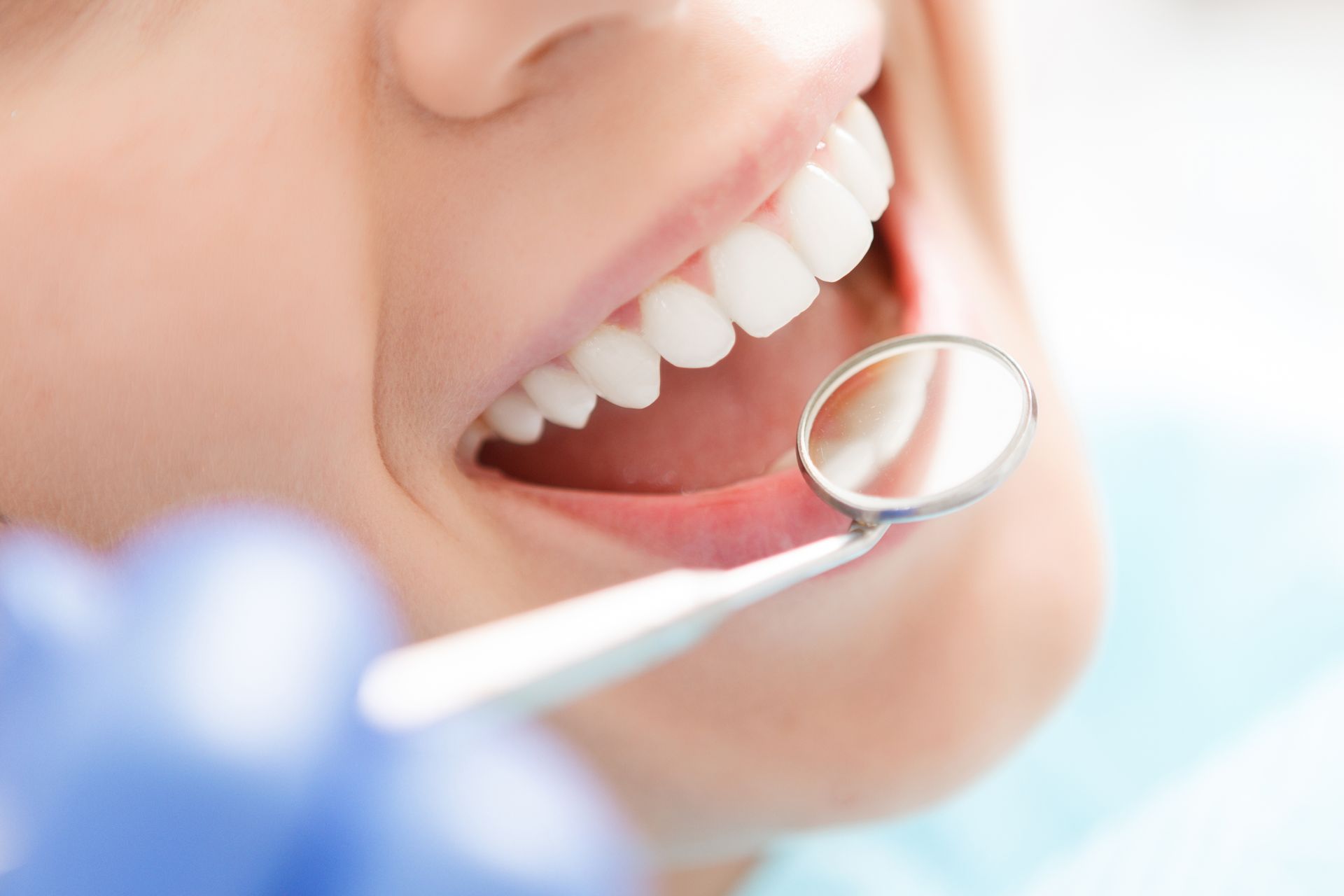
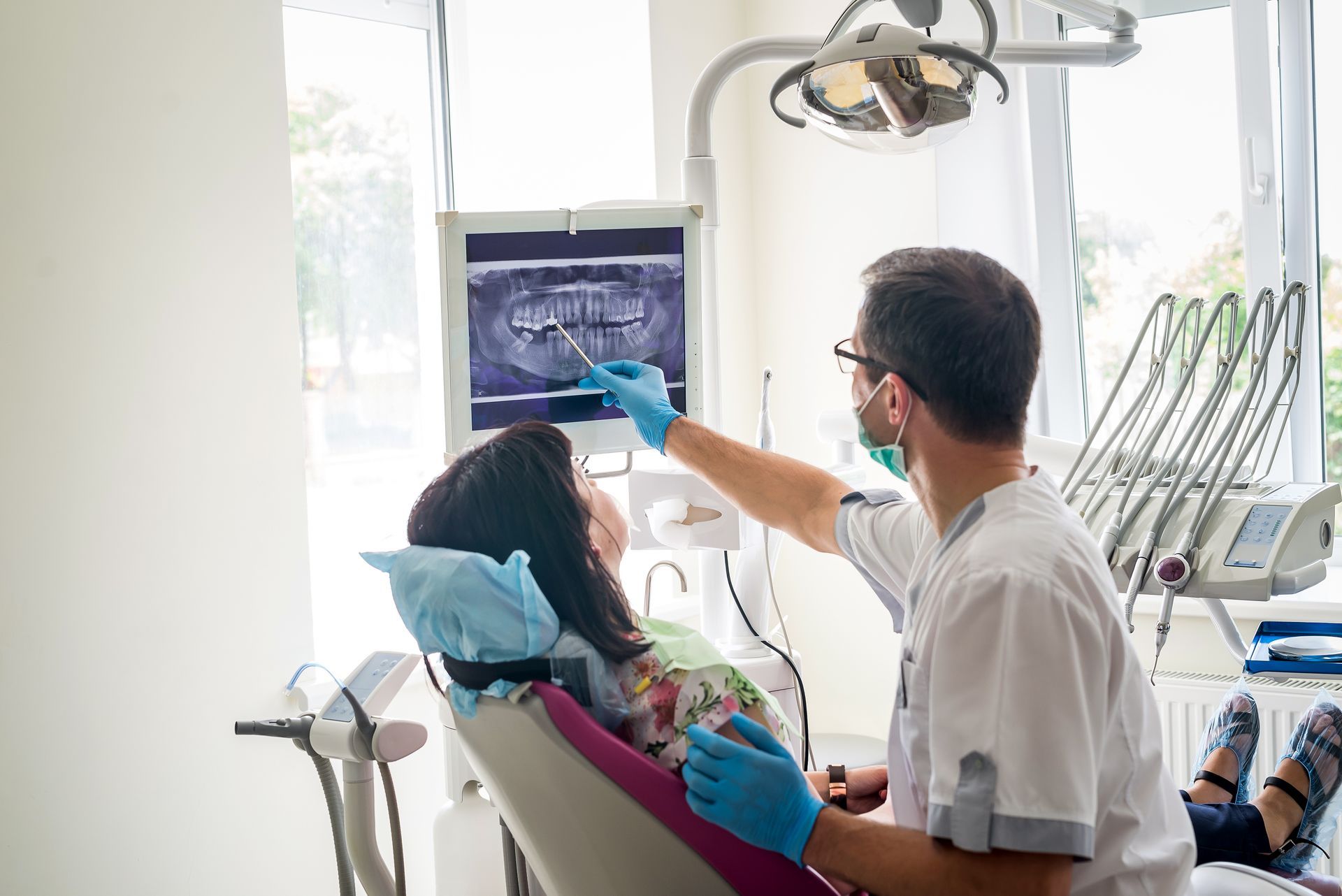
A first visit is usually simple. The dentist looks at your child’s teeth, gums, bite, and jaw growth, and checks for early signs of decay. The visit is also a chance for parents to get guidance on brushing, feeding habits, and fluoride use. Many early cavities can be prevented or treated before they become painful.
What to expect
• A gentle exam, often while your child sits on your lap.
• A review of your child’s feeding, sippy cup, and pacifier habits.
• Tips on brushing with a smear of fluoride toothpaste for children under three and a pea-sized amount for ages three to six.
• A discussion of thumb sucking and other habits that can affect bite development.
How to make the first visit positive
Talk about the visit in simple, upbeat terms. Avoid words like “shot” or “pain” in front of your child. Book a time when your child is well rested and not hungry. If your child is anxious, let the team know ahead of time so they can plan a slower, calmer approach.
Ready to schedule your child’s first visit? Call the Family Dental & Associates office nearest you, or visit our pediatric dentistry page to learn more about children’s care.