Save Your Natural Tooth With Root Canal Therapy
A root canal is a treatment that saves a tooth that is infected, badly decayed, or damaged inside. Rather than removing the tooth, the dentist cleans out the infected pulp, seals the root canals, and restores the tooth so you can keep using it for everyday chewing and speaking. At Family Dental & Associates, our team offers endodontic care in our Lawrence, Reading, and Haverhill offices.
What Is a Root Canal?
Inside every tooth is a soft center called the pulp. It contains nerves and blood vessels that help the tooth develop. Once a tooth is fully grown, it can survive without the pulp. When the pulp becomes infected or inflamed, root canal treatment removes the damaged tissue and protects the tooth from further damage.
Signs You May Need a Root Canal
- Severe toothache, especially when chewing or biting
- Prolonged sensitivity to hot or cold
- Darkening or discoloration of a tooth
- Swelling, tenderness, or a small bump on the gum
- A cracked or chipped tooth that has exposed the pulp
Some patients have no symptoms, so a root canal may be recommended during a routine exam when an X-ray shows infection at the root.
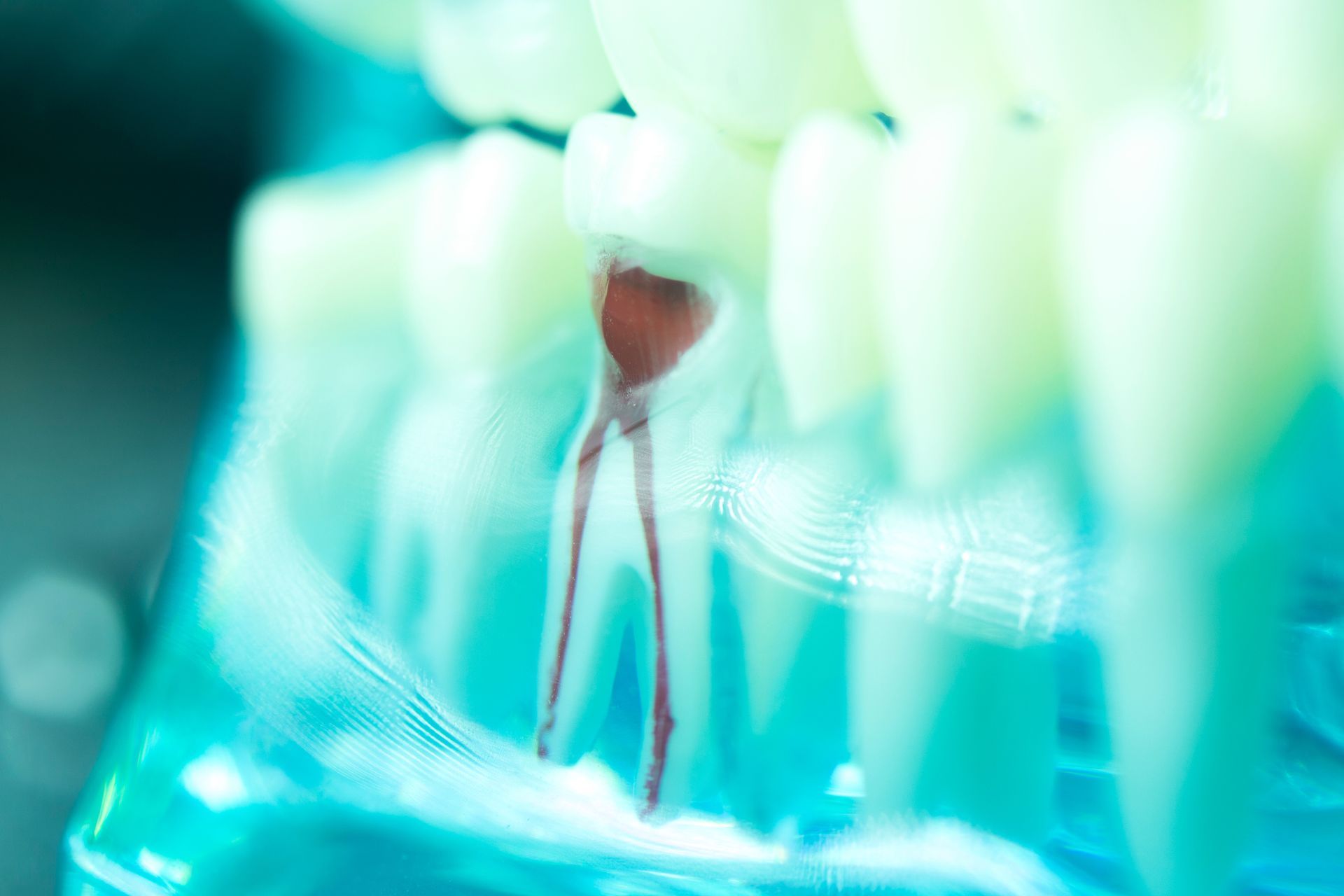
How the Root Canal Procedure Works
Our team provides the core services that help children stay cavity-free and comfortable:
1. Diagnosis and X-rays. Your dentist examines the tooth and takes X-rays to confirm the problem and plan the treatment.
2. Numbing. Local anesthesia is used to make the procedure comfortable.
3. Access and cleaning. A small opening is made in the top of the tooth so the dentist can remove the infected pulp and clean the canals.
4. Filling. The canals are filled and sealed with a biocompatible material called gutta-percha.
5. Restoration. A filling or crown is placed to protect the tooth and restore its function. Back teeth usually receive a crown.
What to Expect Afterward
Most patients feel relief from pain soon after treatment, because the infected tissue has been removed. Some tenderness when biting may last a few days. Your dentist may recommend over-the-counter pain relief and will explain any aftercare instructions. Avoid chewing on the treated tooth until it has been fully restored. Keep up your normal brushing and flossing, and attend your follow-up visits.
Is a Root Canal Better Than Extraction?
In most cases, yes. Keeping your natural tooth preserves your bite, prevents neighboring teeth from shifting, and protects the jawbone. Extraction is sometimes necessary when a tooth is too damaged to save. If that happens, your dentist can discuss replacement options such as an implant, bridge, or partial denture.
Root Canal Therapy FAQs
Does a root canal hurt?
Root canal treatment is performed with local anesthesia, so the procedure itself should be comfortable. Patients often describe it as similar to getting a filling.
How long does it take?
Many root canals are completed in one or two visits. The time depends on the tooth and the complexity of the canals.
How long do root canals last?
With proper restoration and good oral hygiene, a root-canal-treated tooth can last for many years. Regular checkups help monitor the tooth over time.
Can I get a root canal if I have a crown or large filling?
Yes. Your dentist can evaluate the tooth, and in many cases, the existing restoration can be treated and replaced as part of the procedure.
Schedule an Evaluation
If you have tooth pain, sensitivity, or swelling, do not wait. Early treatment can save your tooth and prevent a more serious infection. Call the Family Dental & Associates office nearest you: Lawrence
(978-725-0072), Reading
(781-944-0072), or Haverhill
(978-521-3322). Learn more about our endodontic services on our Endodontics page.